Published July 1, 2026
What Should You Fix Before Selling Your Home?

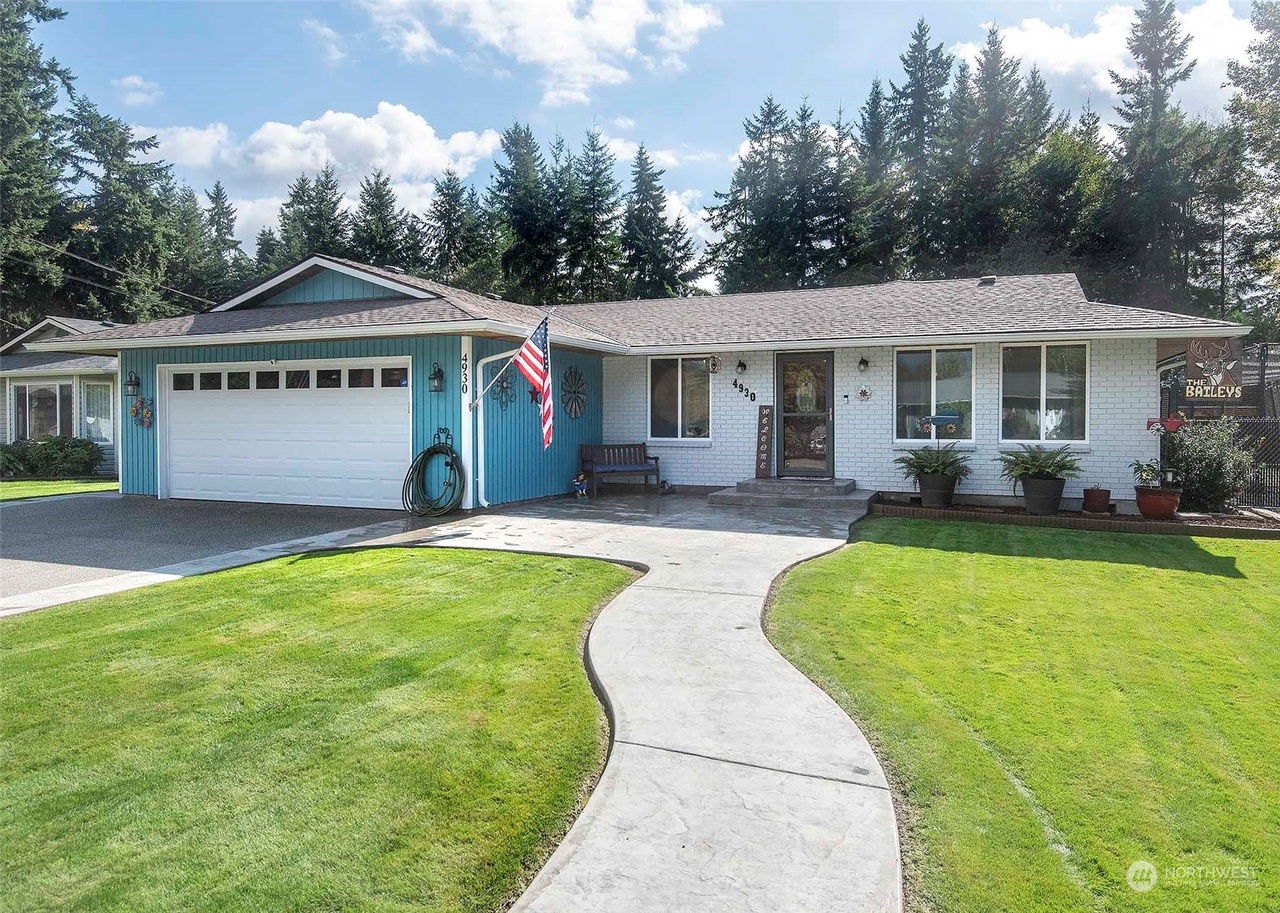
One of the biggest questions homeowners ask before selling is, “What should I fix before I list?” It is a smart question, because the right improvements can help your home sell faster and for more money, while the wrong improvements can waste time, cash, and energy.
The goal is not always to make the home perfect. The goal is to make smart, market-based decisions that help buyers see value, reduce objections, and protect your bottom line.
Start With the Buyer’s First Impression
Before spending money on major projects, start with the basics. Buyers make quick decisions, often within seconds of walking through the front door or seeing the home online.
Some of the best dollar-for-dollar improvements are simple:
Clean the home deeply. Declutter every room. Touch up paint. Improve curb appeal. Freshen landscaping. Replace burned-out bulbs. Clean windows. Remove odors. Pressure wash walkways, decks, and siding where needed.
These may not sound exciting, but they can make a major difference. A clean, bright, well-presented home feels better cared for and helps buyers focus on the property instead of distractions.
Paint Is Often One of the Best Returns
Fresh paint is one of the most cost-effective ways to improve a home before selling. Neutral paint can make rooms feel larger, cleaner, and more move-in ready.
This is especially true if the home has bold colors, worn walls, scuffs, patched areas, or dated tones. Buyers may mentally overestimate the cost of painting, even when the fix is simple. Removing that objection can help your home show better and compete stronger.
Flooring Can Matter, But Be Careful
Flooring is another area where sellers often wonder whether to invest. If carpet is badly stained, smells, or is heavily worn, replacing it may be worth considering. If hardwoods are scratched but can be cleaned or lightly refreshed, that may be a better option than a full replacement.
The key is not to overspend. You do not always need premium materials. You need clean, functional, market-appropriate flooring that matches the price point of the home and the expectations of likely buyers.
Curb Appeal Still Matters
The outside of the home sets the tone. Buyers want to feel good before they ever step inside.
Simple improvements such as mowing, edging, weeding, trimming shrubs, adding fresh bark, cleaning the entry, painting the front door, or adding a few seasonal plants can help the home feel inviting.
Curb appeal is not just about beauty. It sends a message that the home has been cared for.
Repairs Buyers Will Notice
Some repairs are worth addressing because buyers will almost certainly notice them or bring them up during inspection. These may include leaking faucets, loose handrails, broken fixtures, damaged trim, missing outlet covers, slow drains, door issues, damaged screens, cracked windows, or obvious roof and gutter concerns.
Small unfinished items can create a larger negative impression. When buyers see multiple minor repairs, they may start wondering what else has not been maintained.
Should You Do a Pre-Inspection?
A pre-inspection can be a valuable tool, but it is not the right choice for every seller.
The benefit of a pre-inspection is that it helps identify issues before the buyer does. This gives the seller more control. You can repair important items, gather bids, disclose known conditions, or price the home appropriately. It can also reduce surprises once under contract.
A pre-inspection may be especially helpful for older homes, homes with deferred maintenance, estate properties, investor-owned properties, or homes where the seller wants to create more confidence for buyers.
However, there are also reasons not to do one. Once you know about certain issues, they may need to be disclosed. Some sellers may prefer to let the buyer conduct their own inspection and negotiate from there. In a strong seller’s market, the best strategy may be to focus on presentation and pricing rather than chasing every possible repair.
The right answer depends on the home, the seller’s risk tolerance, the local market, and the likely buyer pool.
Do Not Spend Money Poorly
One of the biggest mistakes sellers make is spending money on improvements that do not create enough return.
Not every remodel pays for itself. A full kitchen remodel, bathroom remodel, new deck, or major system upgrade may improve the home, but that does not always mean the seller will get every dollar back at resale.
Before taking on bigger projects, ask:
Will this help the home sell for more?
Will it help the home sell faster?
Will it solve a major buyer objection?
Will buyers in this price range expect this improvement?
Is there a less expensive way to create a similar result?
Sometimes a deep clean, fresh paint, updated lighting, landscaping, and staging will do more for your net proceeds than a major remodel.
Good Seller’s Market vs. Slower Market
The market matters.
In a strong seller’s market with low inventory and high demand, sellers may not need to fix everything. Buyers may be more willing to accept imperfections, especially if the home is priced well and shows clean. In that kind of market, the focus may be on presentation, strategic pricing, and avoiding unnecessary spending.
In a slower or more balanced market, condition becomes more important. Buyers have more choices and may be quicker to pass on homes that feel dated, neglected, or overpriced. In that environment, targeted improvements can help your home stand out.
The mistake is using the same preparation plan in every market. A good listing strategy should be adjusted based on current competition, buyer demand, price point, and your goals.
Staging and Presentation
Staging does not always mean renting furniture for the whole house. Sometimes it means rearranging what you already have, removing excess furniture, improving flow, simplifying decor, and helping each room show its purpose.
Buyers need to imagine themselves living in the home. The easier you make that, the stronger your showing experience will be.
Vacant homes may benefit from light staging in key areas such as the living room, dining area, kitchen, and primary bedroom. Occupied homes may benefit most from decluttering, depersonalizing, and improving layout.
Focus on Net, Not Just Price
The best preparation plan is not about spending the most money. It is about protecting your net.
For example, spending $5,000 to create $15,000 in value may make sense. Spending $25,000 to create $10,000 in value usually does not. The right strategy should consider your likely sale price, cost of improvements, time involved, contractor availability, market conditions, and buyer expectations.
Sometimes the best decision is to repair and refresh. Sometimes it is to sell as-is. Sometimes it is to complete a larger make-ready plan before going to market.
Final Thought
Before fixing anything, get professional guidance. A good real estate advisor can walk through the home with you, identify what matters most, explain what buyers are likely to care about, and help you avoid spending money in the wrong places.
The goal is simple: prepare the home in a way that creates confidence, increases buyer interest, reduces objections, and helps you walk away with the strongest possible result.